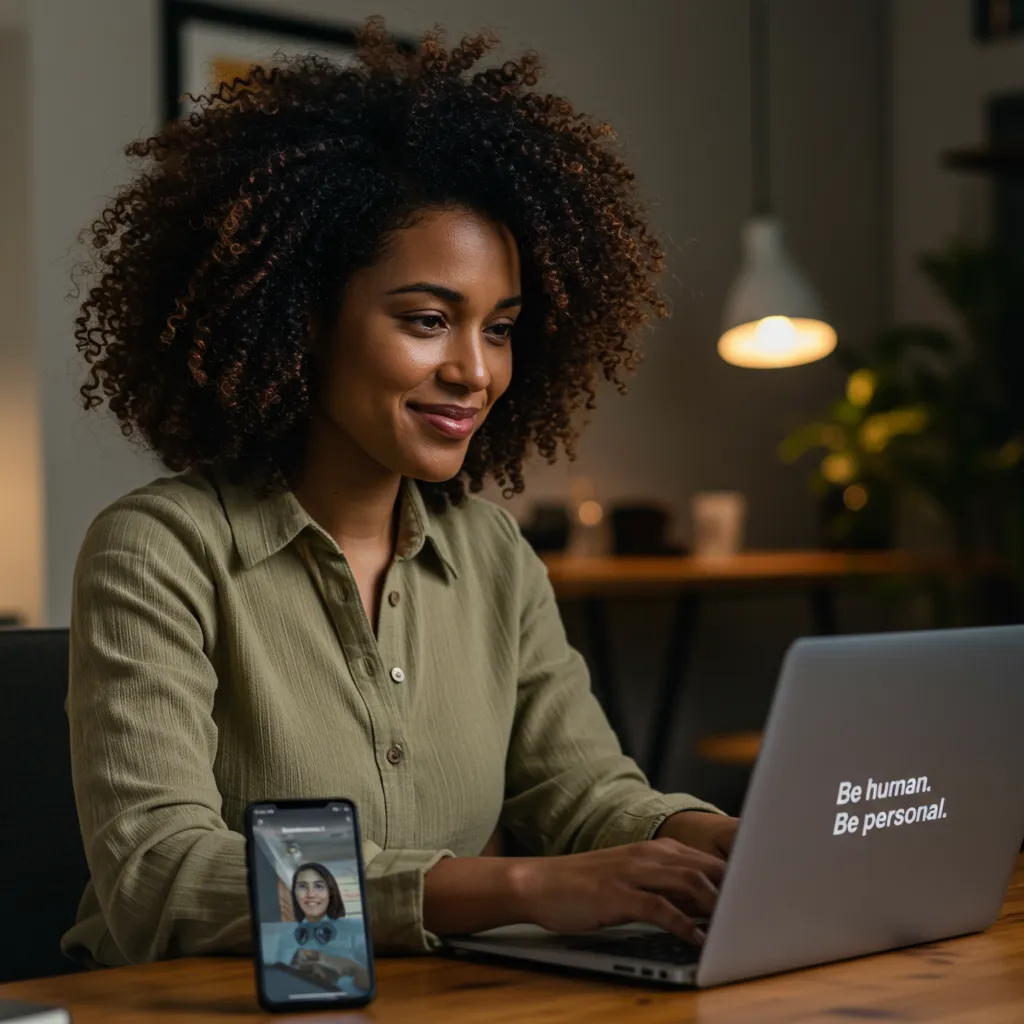
Humanizing the Machine: How to Make Your Automation Feel Personal
The most common objection we hear from contractors about automation: 'I don't want my customers to feel like they're talking to a robot. My business is built on relationships.'
That objection is legitimate. And it's also exactly why most automation fails — because it IS built robotically. Generic. Impersonal. Obviously automated.
The businesses that win with automation are the ones who build human warmth into every automated touchpoint. This post covers exactly how to do that.
Can automation make my business feel more personal?
Yes — counterintuitively, well-built automation can make your business feel MORE personal than manual communication. Here's why: manual communication is inconsistent. Some customers get a fast, warm follow-up. Others get a slow, generic one, depending on who's staffing the phones that day and how busy they are.
Automation is consistently warm. Every customer gets the same high-quality, personalized experience — regardless of day, time, or staffing level. The personalization comes from dynamic fields that pull customer-specific information into every message.
The elements that make automation feel human:
•First name in every message — sounds basic, but it's the foundation
•Service-specific references — mention the exact service they had done
•Technician name inclusion — 'We hope [Tech Name] took great care of you' creates a personal connection
•Location references — 'We enjoyed serving your home in [Neighborhood]' adds a geographic warmth
•Genuine tone — write messages the way you'd actually talk to a customer, not how a corporate email sounds
When should you hand off automation to a human?
This is the most critical decision in automation design. Automation handles volume. Humans handle complexity. The handoff triggers:
•Customer expresses frustration or complaint — always route to human immediately
•Customer has a technical question that requires trade expertise
•Customer is asking about pricing for a complex or unusual job
•Customer has been in the sequence for 5+ days without engagement — a personal phone call is more effective than continuing automated texts
•High-value lead indicators — potential large job, property manager with multiple units, commercial inquiry
In GoHighLevel, these handoff triggers can be set as automation conditions — when a customer uses words like 'frustrated,' 'unhappy,' or 'problem,' the conversation is immediately flagged for human follow-up and a team notification fires.
What language makes automated messages feel more human?
The language choices that separate human-feeling automation from robotic automation:
Contractions: 'We're thrilled' instead of 'We are thrilled.' 'You'll love' instead of 'You will love.' Contractions are how humans speak.
Casual openers: 'Hey [Name]!' instead of 'Dear [Name],' — the greeting alone signals conversation vs. corporate communication.
Emojis (used sparingly): A single relevant emoji adds warmth without overdoing it. 'We're headed your way! ��' feels real. A message with 15 emojis feels spammy.
Specific details: The more specific the message, the more human it feels. 'We hope the new Carrier system is keeping you cool!' is infinitely more personal than 'We hope you're enjoying your recent purchase.'
Genuine opt-outs: 'No worries if now isn't a good time!' at the end of a follow-up message communicates that you're a real person who respects their autonomy — not a relentless sales bot.
How do you test whether your automation feels human?
The sanity test: read every automated message out loud before activating it. If you would feel weird saying it face-to-face to a customer, rewrite it. If it sounds like a corporate press release, rewrite it. If it sounds like something you'd actually say, it's ready.
The test send: before launching any new automation, send yourself all the messages in the sequence. Experience it the way your customers will. Identify anything that feels jarring, robotic, or unclear.
The response test: if an automation is running and getting zero responses over 30 days, the tone is likely the problem. Human-feeling messages generate engagement. Robotic messages get ignored.
Frequently Asked Questions
Q: Can I use my actual name (not just the company name) in automated messages?
A: Yes — and it often performs better. 'This is Kentarian from Brown Bag Consultants' feels much more real than 'This is the Brown Bag Consultants team.' Branded personal messaging combines accountability with warmth.
Q: How often should I update my automation messages?
A: Review your key automation messages quarterly. Customer language and expectations evolve. Messages that felt fresh 12 months ago can feel dated. Small updates — a seasonal reference, a new testimonial quote, an updated offer — keep automation feeling current.
Q: What if customers figure out the messages are automated?
A: Most customers who receive timely, helpful, personalized messages don't care whether they were automated. What they care about is being responded to promptly and feeling valued. Focus on delivering that experience, and the automation question becomes irrelevant.
━━━━━━━━━━━━━━━━━━━━━━━━━━━━━━━━━━━━━━
Ready to Stop Leaving Money on the Table?
You've read the strategy. Now it's time to execute. Brown Bag Consultants works with home service business owners across DFW who are serious about installing systems that generate leads, book appointments, and close jobs — while they sleep.
�� Book a FREE Strategy Call: https://www.thrive-bridge.com/
�� Call or Text: 1-469-273-6185
Tap in or get left behind. Your competition is already automating. The question is — are you?
━━━━━━━━━━━━━━━━━━━━━━━━━━━━━━━━━━━━━━